Have high-speed internet? Switch to High-Speed
Videos load too SLOW? Switch to Low-Speed
IN HONOUR OF THOSE WHO WENT THROUGH IT, THOSE WHO WERE APPREHENDED, THOSE WHO SURVIVED, AND THOSE WHO NEVER CAME HOME.
About
IN HONOUR OF THOSE WHO WENT THROUGH IT, THOSE WHO WERE APPREHENDED, THOSE WHO SURVIVED, AND THOSE WHO NEVER CAME HOME
This work could not have been created without the support of the Karen Jamieson Dance Company, which gave me the opportunity to perform in the Stone Soup tour in 1997, and without the many people who supported my artistic, media, and community work as I continued to study, create, document, and tell these stories.
Among those I acknowledge with gratitude are the late James Nicholas, Ron Morin Law, Dr. Lynette Cruz, Gerry Amber, Leon Siu, the Alberta Foundation for the Arts, the Alberta Media Arts Alliance Society, Cinetel Films, Dwayne Gilham, Loretta Todd, and the many other artists, friends, family members, Elders, community workers, and supporters who have crossed my path.
Above all, I give thanks to the Holy Creator. All for God’s glory in Heaven and on Earth.
On this National Day for Truth and Reconciliation, I am thinking about everyone who endured residential schools, the Sixties Scoop, foster care, child apprehension, and the many systems that separated Indigenous children from their families, communities, cultures, identities, and traditional territories.
So many did not make it.
So many are not here today because of what was done to us as a people.
Yet we are still here.
I am a survivor myself, but today is not simply about me. It is about remembering those who are gone, honouring those who survived, and helping those who are still with us and need our compassion, voices, prayers, shelter, friendship, and support.
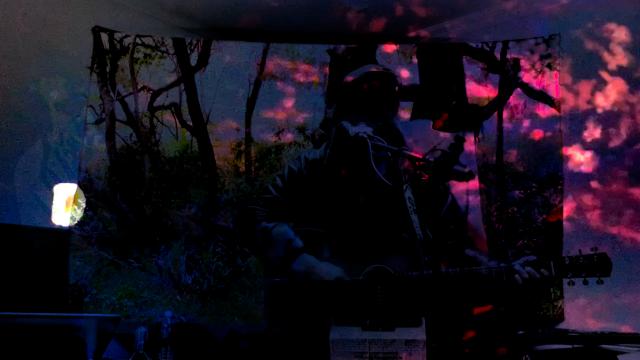
This video is also connected to my continuing work, AS A KODEN: TALKING STORY; WHO IS YOUR NAME? kihcihkaw askî (Sacred Earth), and to the journeys, memories, histories, and questions carried within that work.
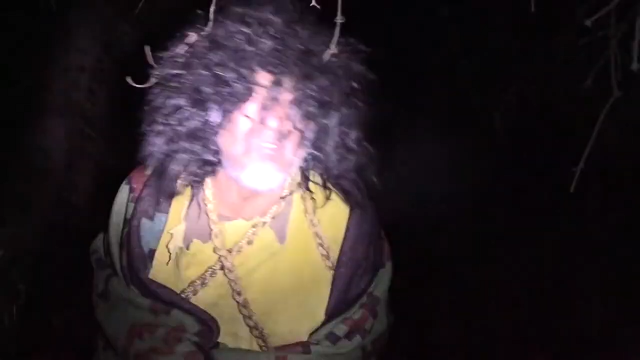
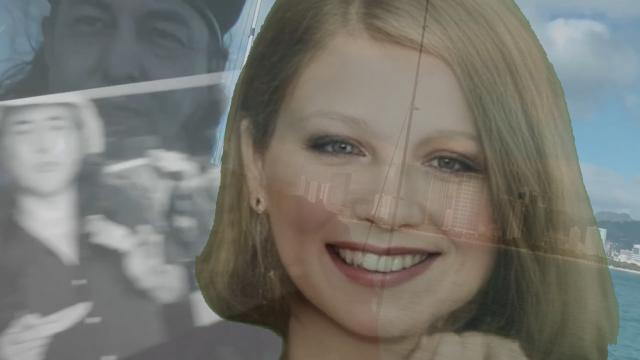
Part of the stream reflects on Willy Frencheater’s journey, globalization, displacement, Indigenous knowledge, memory, land, and the continuing act of Talking Story.
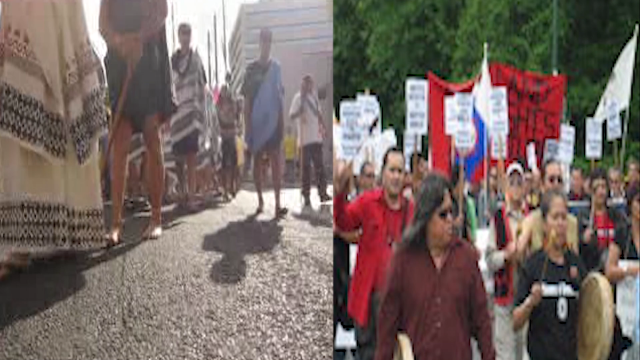
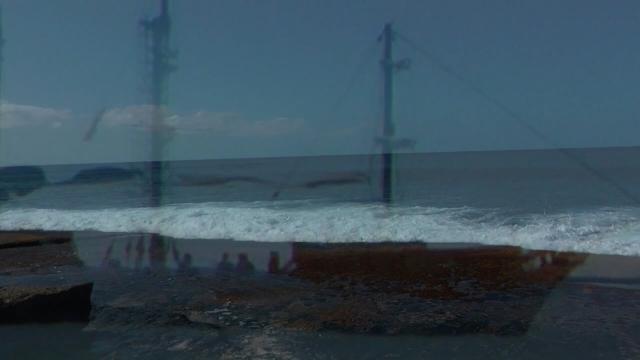
The work also remembers the Kitlope people, the Xenaksiala, and the territory associated with the Kitlope and Kemano region of British Columbia. Their presence in this stream connects with my memories of the Karen Jamieson Dance Company’s Stone Soup tour, which travelled through First Peoples’ territories and brought dance, movement, community, and story together.
There are two streams connected with this presentation.
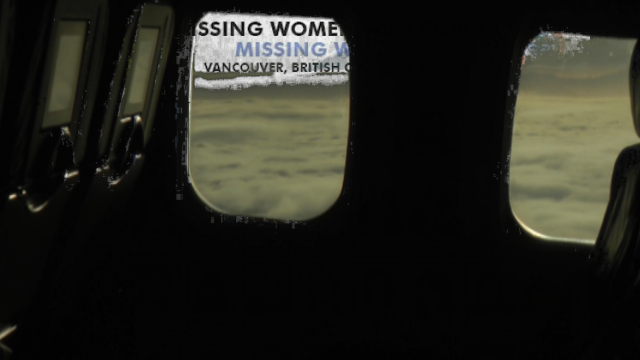
The first is an excerpt created as playback material for the mise-en-scène of AS A KODEN: TALKING STORY; WHO IS YOUR NAME? kihcihkaw askî (Sacred Earth). It honours Karen Jamieson Dance Company’s Stone Soup work and my memories of travelling through First Peoples’ territories, including the Kitlope/Kemano region.
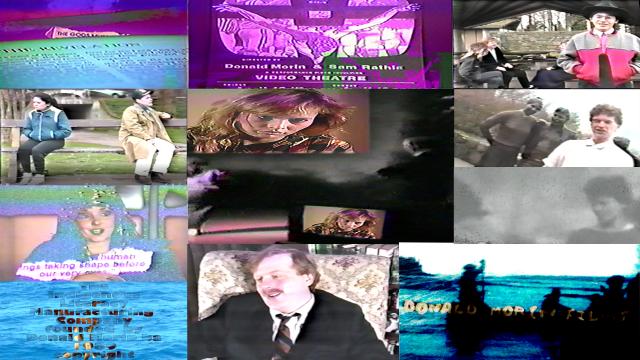
The second is the complete stream of Rio Island (1987), featuring the late Warren Arcand, Debra Charlie, Colin MacPherson, and many other wonderful performers and creative people.
Today I am thinking especially about my dear friend Debra Charlie.
I knew Debra from 1982, when I first met her at the Carnegie Community Centre at 401 Main Street in Vancouver. Over the years, Debra shared with me some of the horrific experiences she endured through residential school and through the racism directed against Indigenous people.
I spent many hours with Debra. We performed together. We worked on Kal 007: A Shot in the Dark. She later appeared in other theatre and video work, including Rio Island. Her presence, humanity, and performances remain part of my memory.
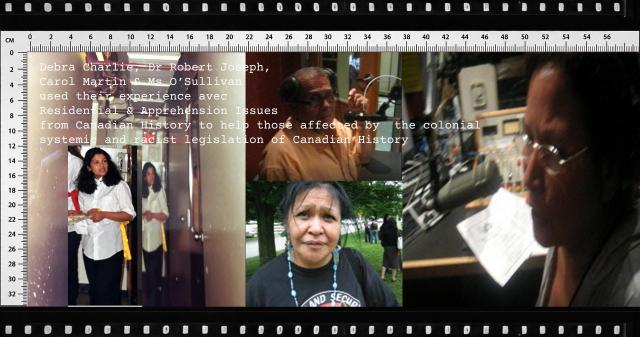
The historical photograph incorporated into this image shows Debra in the basement of the Carnegie Centre shortly before opening night, I believe. The late Sid Chow Tan took the photograph. It comes from the history surrounding a Carnegie Theatre Guild production in Vancouver’s Downtown Eastside in 1984, which also had a run at Capilano Theatre in North Vancouver.
The people named in this image are also important to this remembrance:
Debra Charlie, Dr. Robert Joseph, Carol Martin, and Gunargie O’Sullivan used their lived experience, knowledge, advocacy, and community work to help people affected by residential schools, apprehension, colonial systems, systemic racism, and their continuing consequences.
Carol Martin is an extraordinary woman who has done so much work for people in Vancouver’s Downtown Eastside. Her commitment to community deserves recognition.
I also remember Dr. Robert Joseph, whose work became so important during the years of Truth and Reconciliation. We had the privilege of interviewing him on When Spirit Whispers, the Indigenous radio program in Vancouver that I worked with, off and on, for approximately twenty years.
And today I am thinking very much about my dear friend Gunargie O’Sullivan.
Gunargie and I worked together in Indigenous radio and community work in Vancouver. She survived residential school as well as the foster-care system and has carried an enormous amount through her life. Yet she has continued to use her voice and experience in service to other people.
Gunargie is still with us today, but she is going through a difficult time in Vancouver.
So on this National Day for Truth and Reconciliation, I ask my friends and relations to please keep Gunargie O’Sullivan in your prayers.
Pray that she is protected. Pray that she finds the support and security she needs. Pray for her health, her spirit, and her future. And pray for all those who survived these systems only to continue struggling with hardship today.
That, to me, is also part of reconciliation.
We remember the past, but we must also see the people standing right in front of us today.
Thank You, Holy Creator, for this day and for everything You have given us—the challenges, the obstacles, the rewards, the loves, and the tragedies. We learn from all of it.
Thank You for carrying us through.
Thank You for those who survived.
Thank You for those who continued speaking when others wanted silence.
Thank You for our lives, our breath, our families, our communities, our stories, our songs, our dances, our films, and the people who continue helping one another.
Protect my son, my brother and his family, my son’s family, my sisters, my brother back east, and everyone’s families and children.
Protect Gunargie.
Protect all those who are struggling today.
Help those who need shelter, food, safety, love, friendship, understanding, and a helping hand.
Help us remember that surviving something also gives us a responsibility to look around and see who else may need help.
Amen.
Good day, everyone.
I am thinking about those friends who are no longer here, like Debra Charlie, and the many others who remain—still standing, still speaking, still creating, still loving, and still helping others.
It is about helping those in need.
One day at a time.
That is all any of us truly have:
Today.
And today is a blessing.
All My Relations.
#DonaldMorinTheArtist — for God’s Glory.